The project developing an alternative approach to post-war reconstruction in Ukraine through ecological building practices, renewable materials, and community engagement. The project brings together experts across architecture, ecology, agriculture, art, education, and social design to explore sustainable models for recovery. Working with locally available and natural materials such as hemp, straw, clay, and reed, the project connects traditional building knowledge with contemporary research. Beyond rebuilding individual homes, HOPE HOME • НАДІЯ aims to establish a broader network around renewable construction materials in Ukraine and develop approaches that can be adapted and scaled for future reconstruction.
Role
Research on sustainable construction and post-war recovery, preparation of reports and publications, and coordination of workshops and educational programs. Community development work focuses on sustainable practices, natural building materials, and knowledge exchange between local communities, experts, and partner organisations (from 2024 to 2026).
The Research Institute for Sustainability conducts research on processes of societal transformation towards sustainable development. Its research approach is transformative, transdisciplinary, and co-creative, bringing together different fields of knowledge and perspectives to understand, advance, and shape pathways towards more sustainable futures.
Role
Research fellow working within a transdisciplinary and co-creative research environment focused on sustainability and societal transformation (from 2025 to 2026).
The publication brings together reflections, practices, and perspectives emerging from Ukraine’s ongoing processes of recovery and transformation. Bringing into dialogue community-based practice, governance, architecture, ecology, and cultural memory, it approaches reconstruction not simply as the rebuilding of what was lost, but as a broader transformation of social, territorial, and ecological relations. Structured around civic engagement and governance, housing and reconstruction, and ecological transformation, the publication explores recovery as a collective process shaped by care, participation, resilience, and the reimagining of shared futures.
Role
Curated and edited the publication, developing its conceptual framework, thematic structure, and editorial direction. The role included researching and selecting contributors, commissioning and coordinating texts, conducting interviews, editing contributions, and writing the curatorial text. Responsibilities also included managing communication with authors and collaborators and coordinating the publication process from initial research and concept development to the final publication.
The Material Handbook brings together research and practical knowledge on renewable and environmentally responsible building materials as part of HOPE HOME • НАДІЯ. It explores natural and regenerative materials and their potential applications in sustainable construction and the ecological recovery of Ukraine.
Role
English-language editor responsible for reviewing and editing of the publication. The role included ensuring linguistic clarity, consistency, and coherence across texts, refining terminology related to sustainable construction and natural building materials, and coordinating editorial revisions for the final publication.
LASKA is a charity organization and social business focused on textile reuse, recycling, and environmental awareness. Combining social entrepreneurship with charitable initiatives, the organization promotes more responsible approaches to consumption and extends the life cycle of clothing through reuse and redistribution. Its activities connect environmental responsibility with community engagement and social impact.
Role
Co-founded the organization and contributed to the development and implementation of social entrepreneurship and charity projects from 2018. The role included developing initiatives around textile reuse and recycling, coordinating projects and partnerships, and creating activities aimed at raising environmental awareness and encouraging more sustainable consumption practices (from 2018 to 2026).
The project focused on a flash diagnosis of the social housing sector in Kyiv, conducted by the Affordable Housing Institute under a contract with Agence Française de Développement (AFD). The research examined the existing housing context, key stakeholders, institutional frameworks, and opportunities for the development and reconstruction of affordable and social housing in Ukraine.
Role
Conducted local research and stakeholder mapping, identifying key actors across the housing sector and contributing contextual knowledge of the Ukrainian housing environment. The role included supporting the analysis of existing housing conditions and providing research input for a feasibility study on social housing reconstruction initiatives.
Second is a sustainable market and community platform promoting conscious consumption and alternative approaches to fashion. Combining a kilo market for vintage and second-hand clothing with upcycling and sustainable brands, local and pre-loved sellers, educational talks, and cultural programming, the project creates a space where fashion, environmental awareness, and community come together. The format encourages textile reuse, supports local sustainable initiatives, and makes responsible consumption more accessible and engaging.
Role
Founded and developed the project from its initial concept to its public program and identity. The role included developing and curating the overall format, building partnerships, coordinating participating brands and collaborators, fundraising, and shaping the cultural and educational program. Responsibilities also included strategic development, production, communication, and coordination of the project.
The publication explores and rethinks contemporary paradigms shaping urban environments through perspectives on commemoration and heritage, city planning and gentrification, migration, solidarity, and emerging urban practices. Developed through an international cross-disciplinary network of researchers, artists, designers, architects, and urban practitioners, it brings together essays, interviews, case studies, illustrations, and photography. The publication creates a platform for diverse perspectives on public space and the social, cultural, and spatial transformations of contemporary cities.
Role
Curated and edited the publication, including developing its conceptual framework and thematic structure, selecting and coordinating contributions, and shaping the editorial direction. The role included working closely with authors and contributors, editing content, writing the curatorial text, and coordinating the publication process from concept development to its final release.
The publication explores accessibility as a social, spatial, and political question, examining how different forms of access and exclusion shape contemporary environments and everyday experiences. Bringing together diverse perspectives and contributions, it approaches accessibility beyond the physical dimension, considering broader questions of participation, representation, and inclusion.
Role
Ukrainian-language editor responsible for editing and reviewing the Ukrainian-language content of the publication. The role included ensuring linguistic consistency and clarity, working with translated and original texts, and coordinating editorial revisions throughout the publication process.
The international summer school brought together 25 young professionals from diverse backgrounds to explore public spaces, local initiatives, and processes of urban transformation in Tbilisi. Developed in collaboration with the Tbilisi Architecture Biennial, the five-day program combined field research, urban walks, workshops, and encounters with local architects, artists, activists, and researchers. Through case studies across the city, the program examined environmental challenges, changing uses of public space, neighborhood reactivation, cultural identities, and the transformation of urban environments.
Role
Developed the research direction and educational framework, including writing and curating the program and shaping its interdisciplinary content. The role included coordinating research and partnerships, securing funding, and working with local and international collaborators. Responsibilities also included coordinating the summer school and contributing to the final publication as an editor and co-author.
Pavilion of Culture is a multidisciplinary cultural institution working across architecture, art, and contemporary culture. Within its architecture program, the institution represented and contributed to discussions on Ukrainian architecture and urbanism through international exhibitions, biennials, and professional platforms, including the 2023 Venice Architecture Biennale, the Tirana Architecture Triennial, and the 2022 Tbilisi Architecture Biennale.
Role
Worked as an associate, curator, and researcher, contributing to the development and production of architecture and urbanism programs in Ukraine and internationally. The role included curating and developing programs, conducting research, fundraising and fund management, coordinating partnerships, and communicating with international institutions and collaborators (from 2022 to 2023).
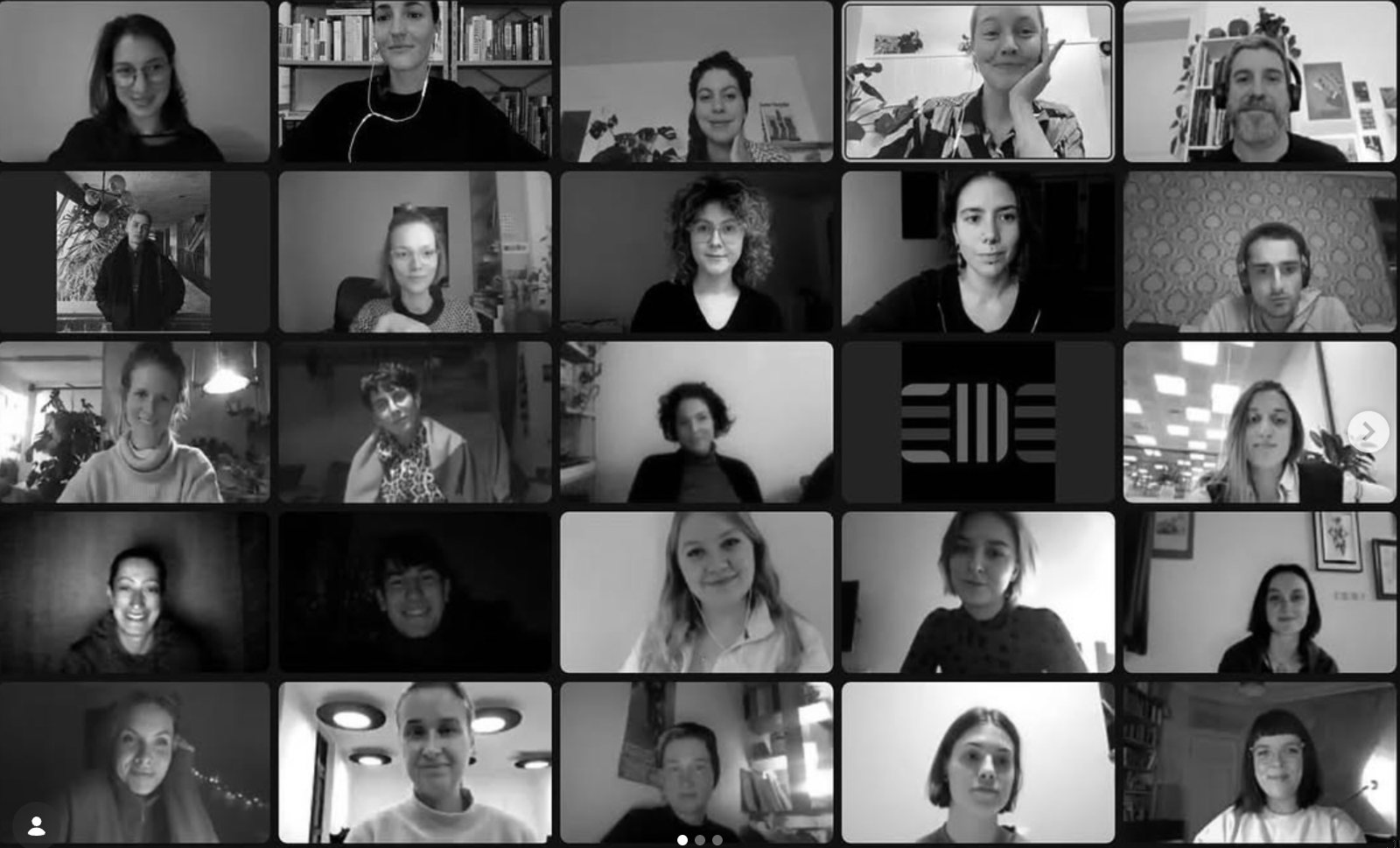
The international winter school in Berlin brought together 15 multidisciplinary professionals from Georgia, Germany, Poland, and Ukraine to explore the right to the city and approaches to reclaiming public space. Through encounters with local initiatives, organisations, and activists, the program examined the challenges of gentrification, commercialisation, and the loss of common creative spaces. The school explored different strategies of participation, collaboration, and collective action, addressing questions of urban ownership, the relationship between residents and local authorities, and the role of art and design in shaping shared urban spaces.
Role
Developed the research direction and educational framework, including writing and curating the program and shaping its interdisciplinary content. The role included coordinating research and partnerships, securing funding, and working with local and international collaborators. Responsibilities also included coordinating the winter school and contributing to the final publication as an editor and co-author.
An international educational program bringing together 100 multidisciplinary professionals from Germany, Poland, Georgia, and Ukraine to explore creative and participatory approaches to urban transformation. Combining research, design, and practice, the program focused on youth participation, public space, local identity, informal habitation, and community-led urban development. The program consisted of research and educational modules, a winter school in Berlin, grants and mentoring for small-scale urban projects, and a summer school in Tbilisi, creating a platform for international knowledge exchange and interdisciplinary collaboration.
Role
Founder and curator of the program, responsible for developing its overall concept, research direction, and educational framework. The role included writing and curating the interdisciplinary program, coordinating research and international partnerships, securing funding, and working with invited experts and collaborators. Responsibilities also included curating the winter and summer schools, coordinating educational activities, and contributing to the final publication as an editor and co-author.
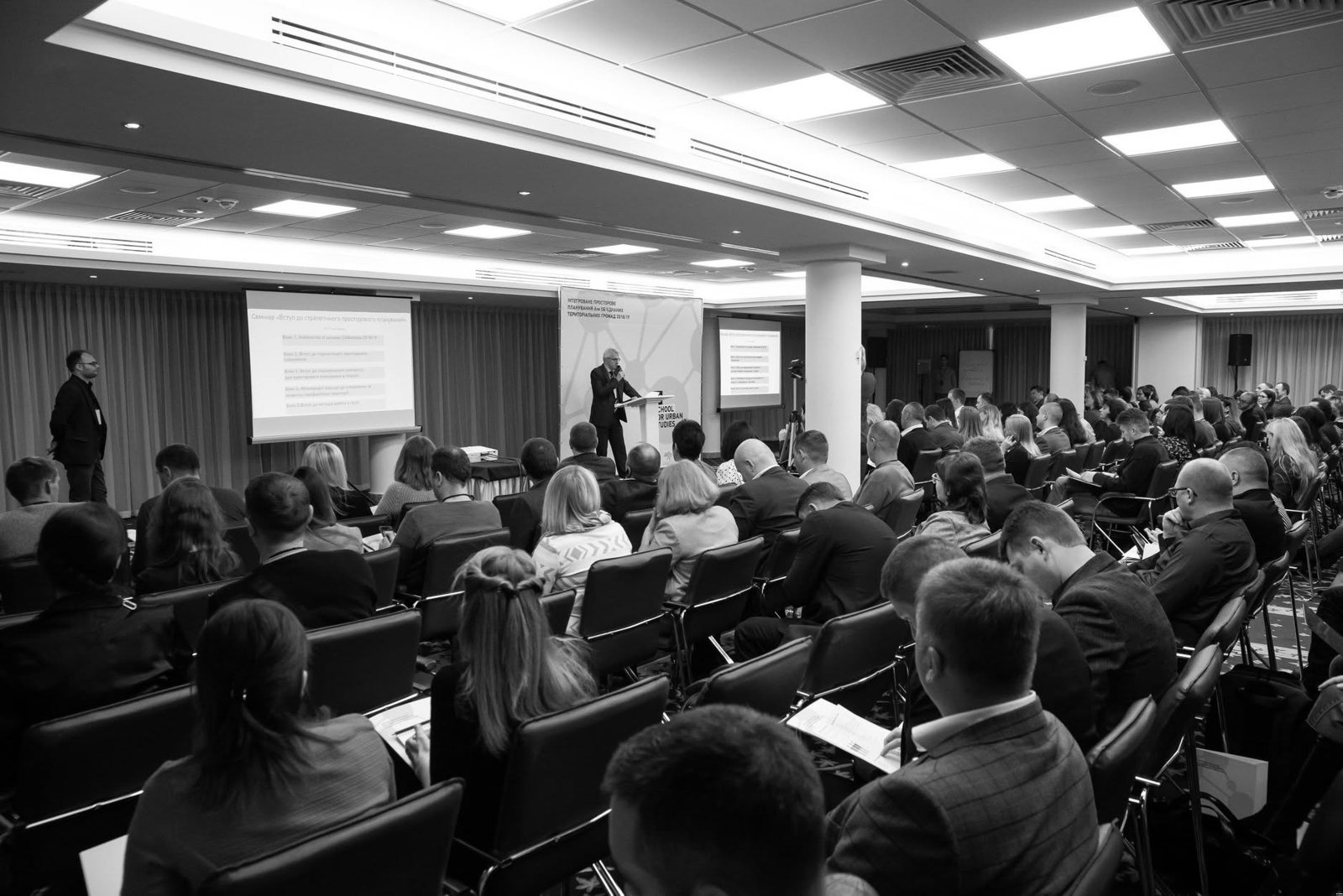
A research and capacity-building program focused on integrated spatial planning for Ukrainian communities, developed in cooperation with U-LEAD with Europe and commissioned by Deutsche Gesellschaft für Internationale Zusammenarbeit (GIZ) GmbH.
Role
Program coordination and research analysis, including contributing to the research concept. Responsibilities included preparing open calls and agreements, analytical reports, project administration, and communication with participating communities, experts, partners, and donors.
The second issue of CANactions Magazine explores rural territories, settlements, and communities across contemporary post-socialist countries. Bringing together international researchers, architects, and practitioners, the publication examines the changing relationship between land, rural life, agriculture, and natural resources, reflecting on the spatial, social, and economic transformations that have shaped these territories since the collapse of the Soviet system.
Role
Coordinated the publication process, working closely with the editorial board, authors, translators, designers, and the CANactions team. The role included coordinating contributions and editorial workflows, managing communication between participants, supporting content development, and overseeing the publication process through to final production.
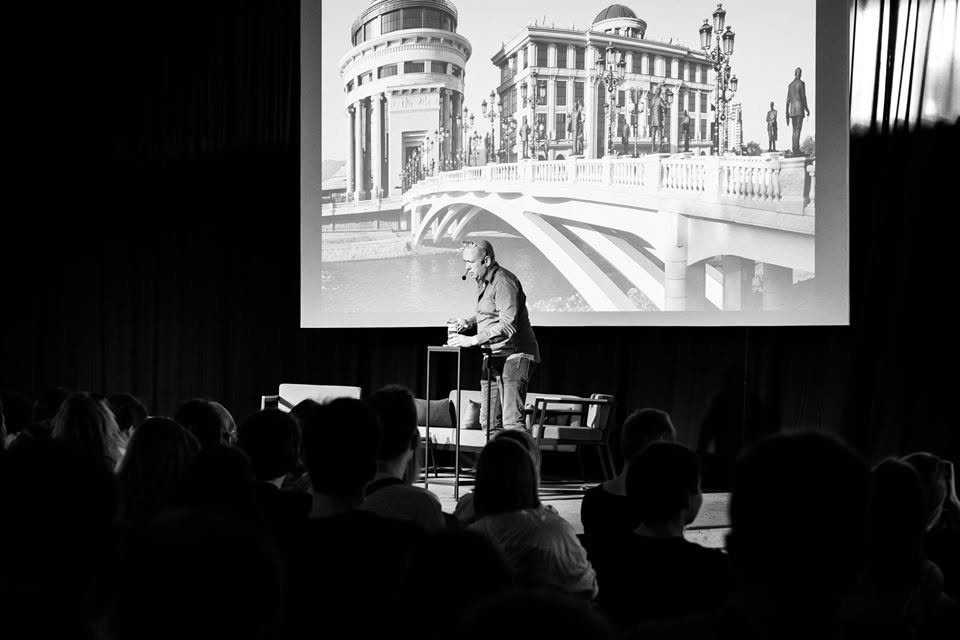
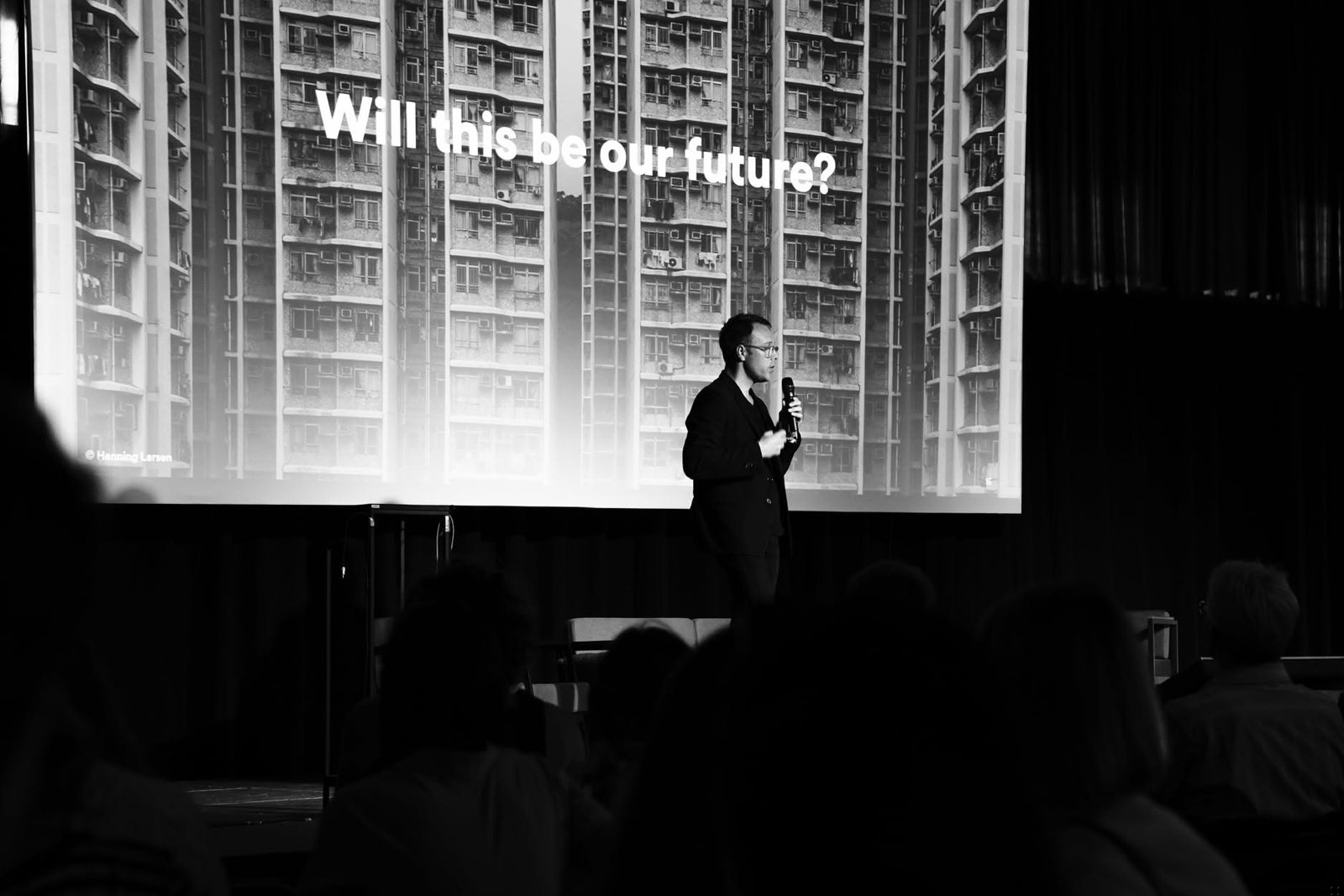
Four editions of one of Ukraine’s major international architecture gatherings, bringing together more than 3,000 participants through lectures, discussions, exhibitions, workshops, and other formats addressing architecture and urban development (from 2017 to 2021).
Role
Curatorial and program coordination across four editions of the festival. Responsibilities included program and content development, research and selection of international experts, partner and speaker communication, coordination of events, and contribution to the development of an international professional network.
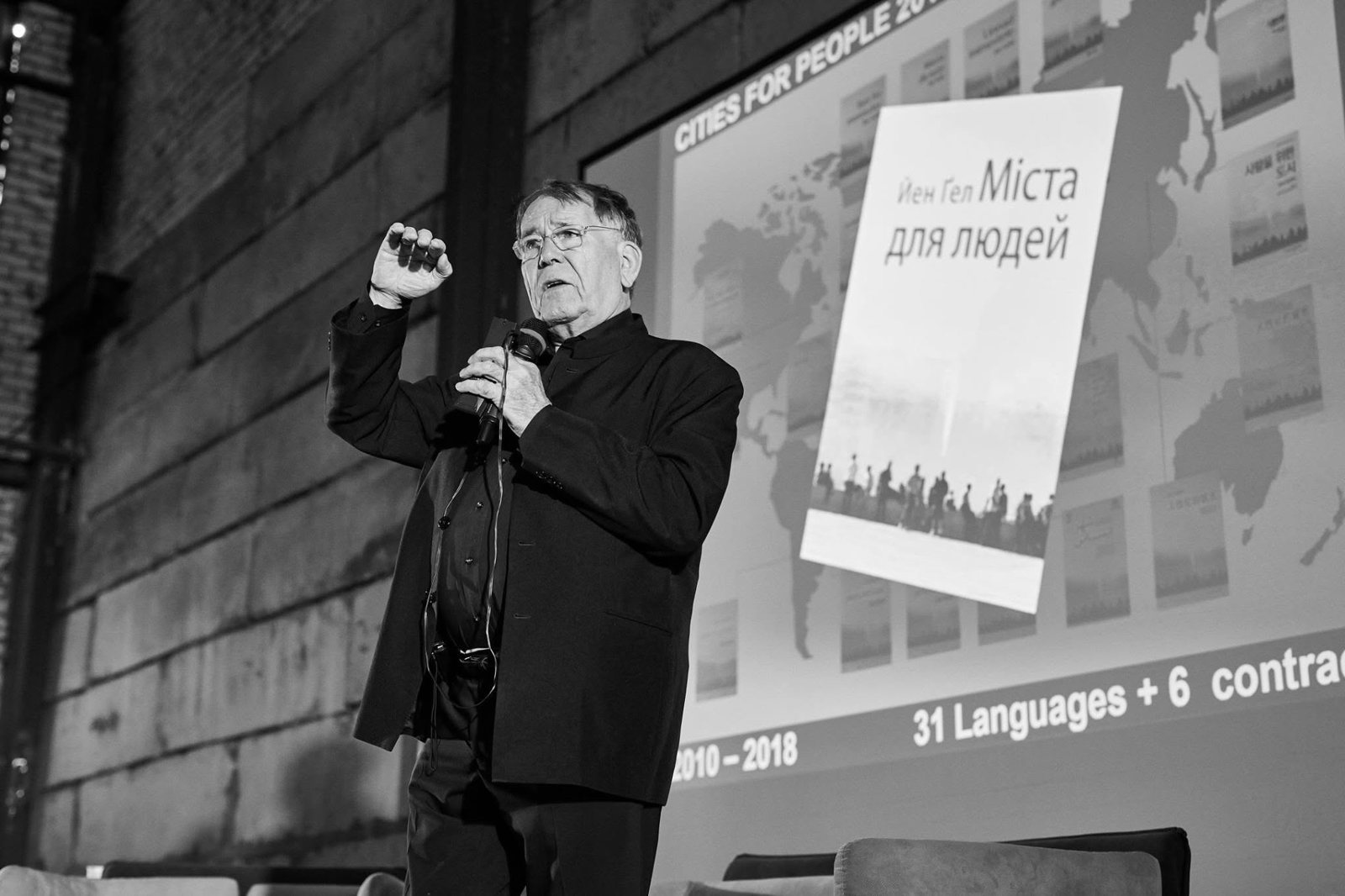
A recurring public program bringing together architects, urbanists, researchers, activists, and other practitioners through panel discussions, lectures, presentations, and film screenings addressing contemporary urban issues.
Role
Curating and coordinating the public program, including research and topic development, selection and communication with invited speakers, event production, and coordination of the program’s ongoing schedule (from 2017 to 2021).
An international educational program exploring contemporary approaches to housing and future living environments through research, interdisciplinary collaboration, and knowledge exchange across Amsterdam, Helsinki, Kyiv, and Zurich.
Role
Program coordination and curatorial development, including research, development of educational content, coordination of international experts and partner institutions, participant communication, and production of the program (from 2019 to 2021).
The first issue of CANactions Magazine explores mikrorayons — large-scale residential districts that became a defining model of urban development across the Soviet and post-socialist context. Bringing together international researchers, architects, urban practitioners, and other contributors, the publication examines their historical development, contemporary conditions, and ongoing spatial and social transformations.
Role
Coordinated the publication process, working closely with the editorial board, authors, translators, designers, and the CANactions team. The role included coordinating contributions and editorial workflows, managing communication between participants, supporting content development, and overseeing the publication process through to final production.
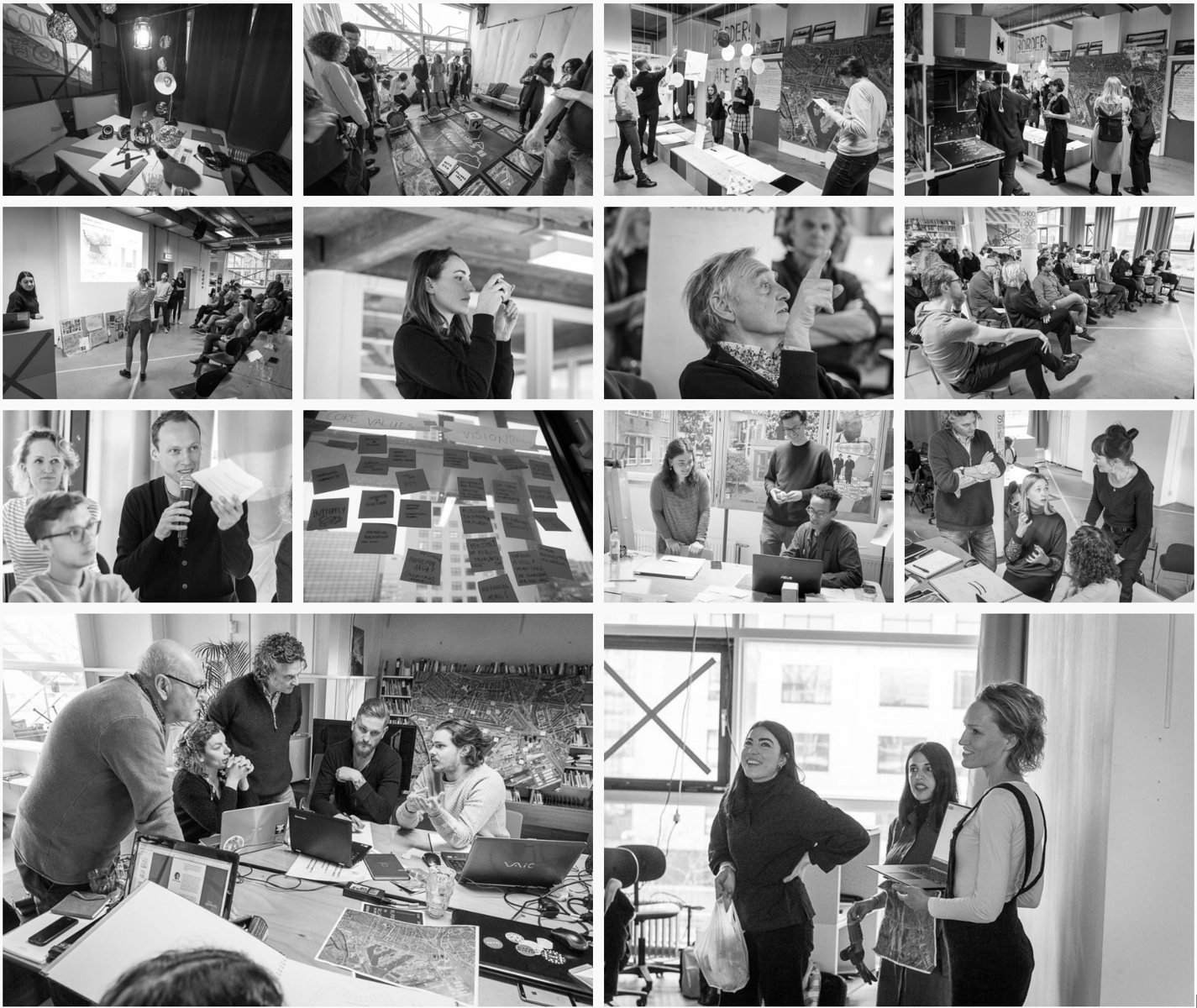
A spring school developed by CANactions School in collaboration with the Independent School for the City in Rotterdam. The program explored borders as spatial, political, and social conditions through interdisciplinary research and urban practice.
Role
Coordination and development of the educational program, communication with participants, tutors, and partner institutions, and support of research, production, and editorial processes.
An interdisciplinary educational program focused on integrated approaches to urban development, bringing together different professional perspectives and methods for addressing complex spatial and social challenges.
Role
Program coordination, research, and administration, including communication with international experts and participants, organisation of educational activities, and coordination of program content and events (from 2017 to 2018).